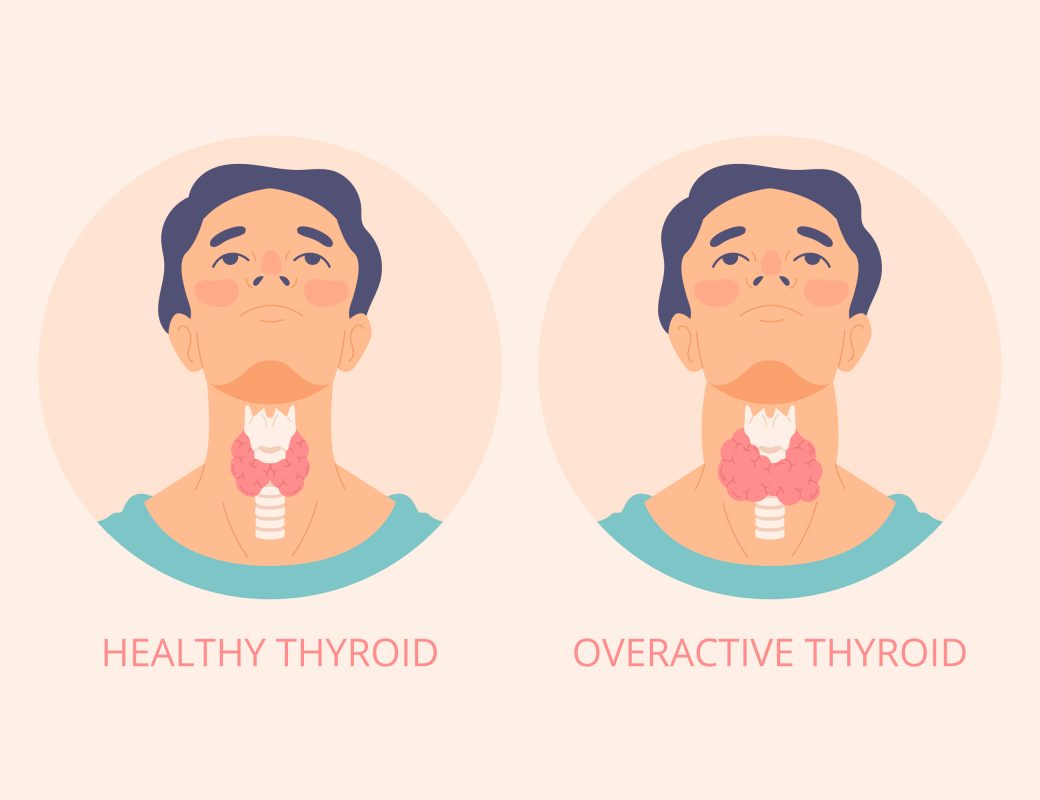
Understanding Hypothyroidism: A Lifelong Journey of Management and Well-being
An underactive thyroid gland, medically known as hypothyroidism, is a condition where your thyroid gland doesn't produce enough crucial hormones. These hormones, primarily thyroxine (T4), are vital for regulating your body's metabolism, energy levels, temperature, and numerous other bodily functions. When their production dips, your body's systems slow down, leading to a range of noticeable and often debilitating symptoms. While hypothyroidism is a chronic condition, requiring lifelong management, the good news is that with proper treatment and a commitment to healthy living, individuals can lead full, vibrant lives.
Managing an under active thyroid isn't just about taking a pill; it's a holistic approach that integrates medical treatment with informed lifestyle choices. This article will delve into the complexities of hypothyroidism, from its subtle symptoms and definitive diagnosis to the cornerstone of its treatment and the essential lifestyle adjustments that empower you to thrive.
Unmasking the Symptoms of an Under Active Thyroid
The insidious nature of hypothyroidism often means its symptoms develop slowly, sometimes over years, making them easy to dismiss or confuse with other common ailments. This delay in recognition can prolong suffering and lead to a more advanced state of the condition before diagnosis. While tiredness, unexplained weight gain, and feelings of depression are hallmark signs, the spectrum of symptoms can be much broader, affecting almost every system in the body. If you're experiencing Tired, Gaining Weight? It Could Be Under Active Thyroid Symptoms, it's crucial to pay attention.
- Persistent Fatigue: A profound, unyielding tiredness that doesn't improve with rest, often making daily tasks feel overwhelming.
- Weight Gain: Difficulty losing weight or unexplained weight gain, even without significant changes in diet or activity. This is often due to a slowed metabolism.
- Mood Disturbances: Feelings of depression, irritability, anxiety, or a general lack of motivation.
- Cognitive Issues: "Brain fog," difficulty concentrating, memory problems, and slowed thinking.
- Temperature Sensitivity: Feeling unusually cold, even in warm environments, due to decreased metabolic heat production.
- Skin and Hair Changes: Dry, flaky skin; brittle nails; and hair loss, particularly from the outer third of the eyebrows.
- Digestive Issues: Chronic constipation is a common complaint.
- Muscle and Joint Pain: Aches, stiffness, and weakness in muscles and joints.
- Menstrual Irregularities: For women, periods may become heavier, more frequent, or irregular.
Given the wide array of symptoms, and their overlap with other conditions, self-diagnosis is unreliable. The only accurate way to determine if you have an under active thyroid is through a simple blood test known as a thyroid function test. This test measures the levels of thyroid-stimulating hormone (TSH) and often free thyroxine (T4) to assess your thyroid's activity.
The Cornerstone of Treatment: Levothyroxine Therapy
For most individuals with an under active thyroid, the primary and most effective treatment involves daily hormone replacement therapy. This typically comes in the form of a synthetic thyroid hormone tablet called levothyroxine (L-thyroxine). Levothyroxine is identical to the T4 hormone naturally produced by your thyroid gland, and taking it daily replaces the hormones your body isn't making enough of.
Successful treatment hinges on consistency and proper administration:
- Daily Intake: Levothyroxine must be taken every day, usually in the morning, ideally on an empty stomach (30-60 minutes before breakfast) with a full glass of water. This helps ensure optimal absorption.
- Consistency is Key: Try to take it at the same time each day. Missing doses or taking it inconsistently can lead to fluctuating hormone levels and a return of symptoms.
- Dosage Adjustment: The initial dose of levothyroxine is carefully chosen by your doctor, but it's often adjusted over time based on your thyroid function test results and how you're feeling. Regular blood tests (typically every 6-8 weeks initially, then annually once stable) are essential to monitor your TSH levels and fine-tune your dosage.
- Interactions: Be aware that certain medications, supplements, and even foods can interfere with levothyroxine absorption. These include iron and calcium supplements, antacids, proton pump inhibitors, and some high-fiber foods. It's generally recommended to take levothyroxine several hours apart from these. Always inform your doctor and pharmacist about all medications and supplements you are taking.
While treatment for an under active thyroid is usually lifelong, with appropriate levothyroxine therapy, the vast majority of people can effectively manage their condition and live a normal, healthy life. Untreated hypothyroidism, however, can lead to serious complications such as heart disease, an enlarged thyroid gland (goitre), fertility issues, and in very rare, severe cases, a life-threatening condition called myxoedema coma.
Embracing a Healthy Lifestyle with Hypothyroidism
Beyond medication, a proactive approach to healthy living plays a significant role in managing an under active thyroid and enhancing overall well-being. Lifestyle factors can influence energy levels, mood, weight, and even how well your body utilizes its thyroid hormones.
Nutritional Support:
While no specific diet can cure hypothyroidism, a balanced, nutrient-rich diet can support thyroid health and alleviate symptoms. Focus on:
- Whole Foods: Prioritize fruits, vegetables, lean proteins, and whole grains. These provide essential vitamins, minerals, and fiber.
- Iodine and Selenium: These minerals are crucial for thyroid hormone production. However, be cautious with supplements, as excessive intake can be harmful. Most people get enough iodine from table salt and selenium from nuts (like Brazil nuts), fish, and poultry.
- Limit Processed Foods and Sugar: These can contribute to inflammation and weight gain, exacerbating symptoms.
- Consider Gut Health: Many people with autoimmune conditions (a common cause of hypothyroidism) also experience gut issues. A healthy gut microbiome supports overall health and nutrient absorption.
Exercise Regularly:
Engaging in regular physical activity offers numerous benefits for those with an under active thyroid:
- Boosts Energy: Helps combat fatigue and improves stamina.
- Weight Management: Supports a healthy metabolism and aids in weight control.
- Mood Enhancement: Releases endorphins, which can alleviate symptoms of depression and anxiety.
- Improves Cardiovascular Health: Important, as untreated hypothyroidism can impact heart health.
Start slowly and gradually increase intensity, finding activities you enjoy, whether it's walking, swimming, cycling, or strength training.
Stress Management and Sleep:
Chronic stress can negatively impact hormonal balance and exacerbate symptoms. Incorporate stress-reducing techniques into your daily routine:
- Mindfulness and meditation
- Yoga or tai chi
- Deep breathing exercises
- Spending time in nature
Adequate, restorative sleep is also fundamental. Aim for 7-9 hours of quality sleep per night to help combat fatigue and support overall bodily function.
Regular Monitoring and Communication:
Maintaining open communication with your healthcare provider is paramount. Regular follow-up appointments and blood tests ensure your medication dosage remains optimal. Don't hesitate to discuss any persistent symptoms or new concerns. Your doctor is your partner in managing your under active thyroid effectively.
Understanding the Causes and Diagnosis
The origins of an under active thyroid are typically rooted in specific underlying issues. There's currently no known way to prevent the condition, making understanding its causes and ensuring early diagnosis even more critical for effective management. For a deeper dive into the reasons behind this condition, consider reading Understanding Hypothyroidism: Causes, Prevalence, and Risks.
Common Causes:
- Autoimmune Disease (Hashimoto's Thyroiditis): This is the most prevalent cause. In Hashimoto's, the immune system mistakenly attacks the thyroid gland, leading to chronic inflammation and damage that impairs its ability to produce hormones.
- Treatment for Overactive Thyroid or Thyroid Cancer: Treatments for hyperthyroidism (an overactive thyroid) such as radioactive iodine therapy or surgical removal of the thyroid gland can result in an underactive thyroid. Similarly, treatment for thyroid cancer often involves removing the gland, necessitating lifelong hormone replacement.
- Congenital Hypothyroidism: A rare condition where babies are born with an underactive thyroid gland. Early screening, like the blood spot test performed on newborns in many countries (e.g., around 5 days old in the UK), is vital to diagnose and treat this promptly, preventing developmental issues.
- Other Less Common Causes: These can include certain medications, pituitary gland disorders, iodine deficiency (though rare in developed nations), or thyroiditis (inflammation of the thyroid).
Prevalence and Diagnosis:
Hypothyroidism affects millions globally and is significantly more common in women than in men. In the UK, for instance, it affects approximately 15 in every 1,000 women compared to 1 in 1,000 men. It can develop at any age, including in children.
As noted earlier, symptoms often mimic those of other conditions and develop subtly. This makes a definitive diagnosis reliant on a thyroid function test. A blood sample is analyzed to measure TSH levels, which indicate how hard the pituitary gland is working to stimulate the thyroid. High TSH levels usually signify an underactive thyroid, as the pituitary is trying to 'kickstart' a sluggish gland. Measuring free T4 (the active form of thyroid hormone) further confirms the diagnosis.
Living Fully with an Under Active Thyroid
Living with an under active thyroid is a journey that requires commitment, patience, and a proactive approach to your health. While the diagnosis can feel daunting, it's crucial to remember that hypothyroidism is highly treatable. With consistent adherence to your prescribed levothyroxine regimen, regular medical monitoring, and a dedication to a healthy lifestyle encompassing balanced nutrition, regular exercise, adequate sleep, and effective stress management, you can effectively manage your symptoms and prevent complications.
Empower yourself with knowledge, work closely with your healthcare team, and embrace the strategies that support your well-being. An under active thyroid doesn't have to define your life; it's a condition that, when properly managed, allows you to live a normal, healthy, and fulfilling existence.